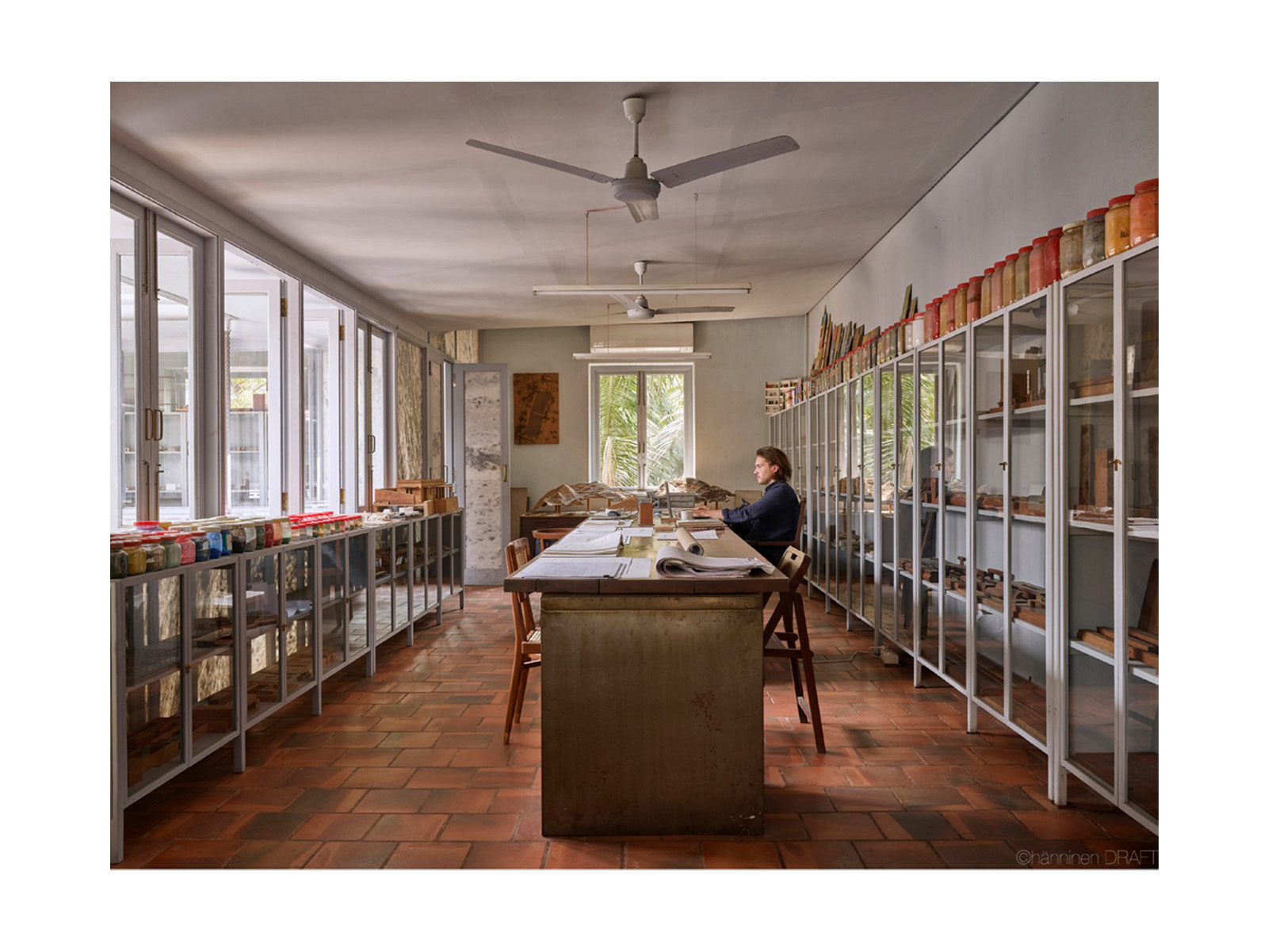
Heft
verb
To become accustomed and attached to an area/place
Office HEFT Architects are an Architecture and Design practice based on the edge of The Peak District, working and collaborating between London and Yorkshire. As a practice we are interested in place as a driver of our work, creating sustainable architecture that is deeply rooted in context, cultures and communities. Sustainability is at the heart of what we do, creating long-lasting, low carbon projects, for the people that inhabit them and contributing to the context of the topography they are situated in.

Joseph Marshall, Director
MArch BA hons ARB RIBA
As the founder of Office HEFT, Joseph has over 10 years of experience working in the industry, both in the UK and overseas.
Joseph trained at Kingston University, The University of Sheffield and UCL graduating with distinctions. He went on to work for internationally acclaimed architects Studio Mumbai, on projects such as the renovation of a hotel in Onomichi, Japan. More recently, Joseph has worked for DRDH Architects on residential and cultural projects both in the UK and Belgium.
Joseph is a member of the Architects Registration Board (ARB).
Our Approach
Established in 2024, our practice aims to create buildings and spaces that enrich their environments and the lives of the individuals and communities they serve.
Our buildings are shaped by a deep understanding of the past, an acute awareness of the present, and a strong concern for the future. We value context and place as key principles that drive our practice, informing our approach to sustainability, materiality, form, and function.
Proportion, scale, arrangement, and form are central to how we conceptualize buildings. We place great importance on the materials used in construction and the methods and techniques applied to their assembly.
Our commitment to sustainability and collaboration is rooted in a deep understanding of place. We support local materials and industries to create low-carbon buildings that benefit local environments and communities.
Above all, we believe that good buildings are the product of skilled, passionate, and committed people working together in an atmosphere of mutual respect, trust, and patience.

Representation
We pride ourselves on clearly articulating ideas and concepts in presentations to our clients and collaborators. Using a broad spectrum of representation mediums, we communicate the quality and subtleties of space.
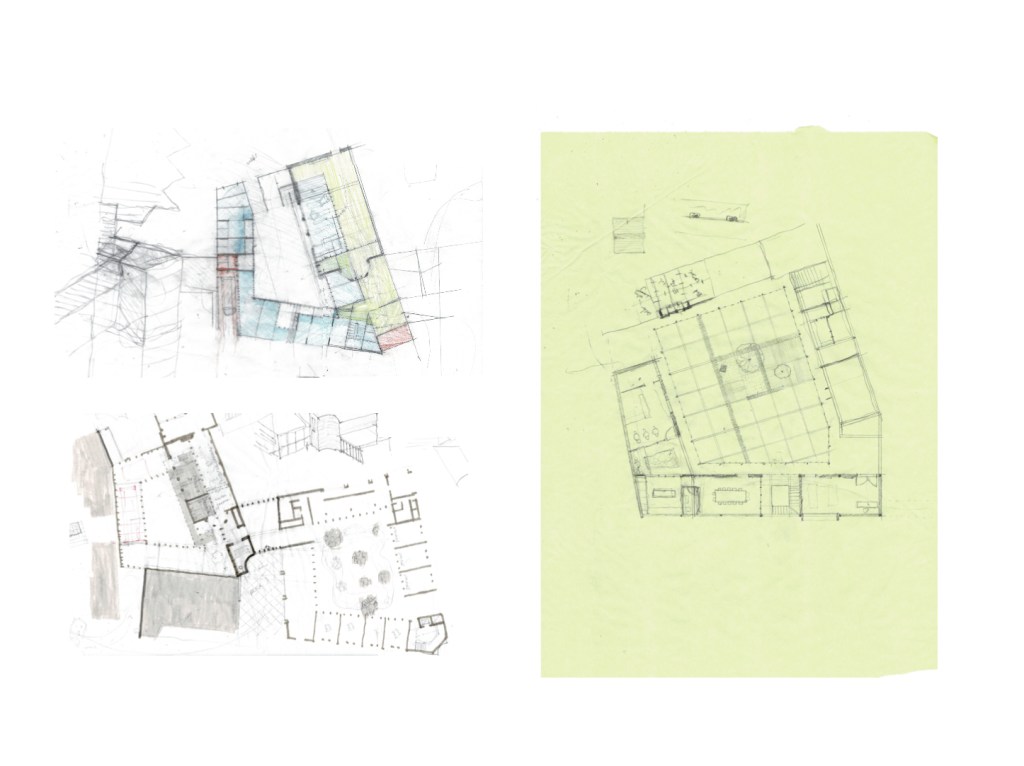
Central to how we share ideas, our representation methods include hand sketches and drawings, perspective images and renders, as well as tactile samples and physical models.
We also use drawing boards to test ideas and employ creative processes, such as painting, to explore spatial concepts. Alongside these tactile processes, we utilise BIM programs to build detailed 3D models and generate precise CAD information.
Modelling
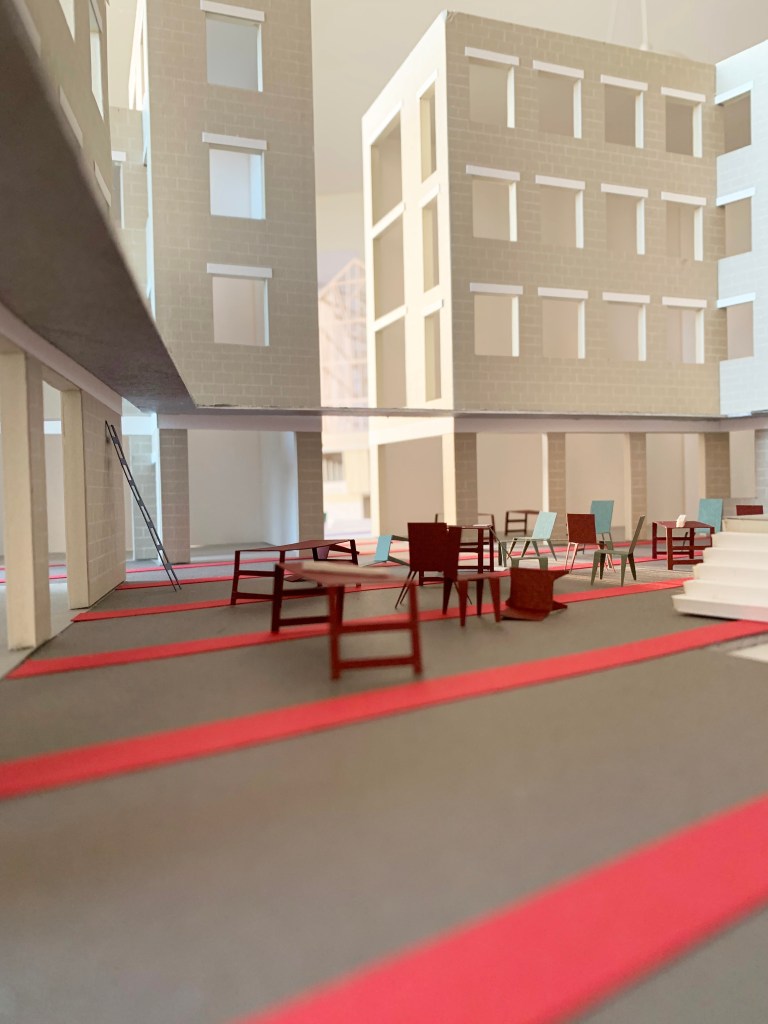
Modeling allows us to test spatial ideas and relationships throughout the design process, from early design stages and iterations to more detailed models representing specific spaces and details. This approach extends to the technical aspects of the design stages, where we use 1:1 mockups to test materials and processes. By working in this manner across all our projects—from interiors and residential extensions to larger cultural works—we facilitate better collaboration with our clients, enabling them to clearly visualize their projects as they develop.
Collaboration
Collaboration is integral to our working process, beginning with early brief-build workshops where we engage with clients to deeply understand the project. We work closely with the design team and consultants to solve problems and clarify spatial understanding. Throughout the project, we interact with contractors and specialists, leveraging their craft knowledge to resolve technical issues effectively. This comprehensive approach ensures clear communication and successful project outcomes.
Key Collaborators
Ashley Dunford
 Office HEFT Architects